Starting a healthier lifestyle doesn’t have to mean following a strict diet or completely changing everything you eat. For beginners, the most effective approach is often to make small, realistic changes that can become part of your everyday routine.
Healthy eating is less about being perfect and more about creating a balanced pattern over time. By choosing a wider variety of nutritious foods, paying attention to portions, and developing better daily habits, you can make your meals more satisfying and enjoyable.
Here are some simple healthy eating habits that beginners can start today.
1. Eat More Fruits and Vegetables
Fruits and vegetables are an important part of a balanced eating pattern.
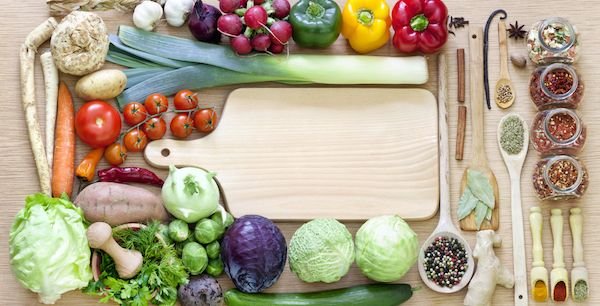
Try adding different colors to your meals. For example, you could have berries with breakfast, a salad with lunch, and roasted vegetables with dinner.
Fresh, frozen, and canned options can all be convenient. When choosing canned products, checking the label for added sugar or excessive sodium can be helpful.
2. Include Protein in Your Meals
Protein can help make meals satisfying and supports many important functions in the body.
Common protein-rich foods include:
- Eggs
- Chicken
- Turkey
- Fish
- Beans
- Lentils
- Tofu
- Greek yogurt
- Nuts and seeds
Try including a protein source with breakfast, lunch, and dinner.
3. Choose Whole Grains More Often
Whole grains can provide fiber and other nutrients.
Examples include:
- Oatmeal
- Brown rice
- Quinoa
- Whole-grain bread
- Whole-grain pasta
- Barley
You don’t have to eliminate white rice, regular pasta, or other refined grains. Simply choosing whole grains more often can be a practical improvement.
4. Drink More Water
What you drink can be just as important as what you eat.
Water is a simple everyday choice and doesn’t contain added sugar or calories. Keep a water bottle nearby at home, work, or while traveling to make drinking water more convenient.
If you don’t enjoy plain water, try adding lemon, lime, cucumber, or fresh fruit for flavor.
5. Reduce Sugary Drinks
Soda, sweetened coffee drinks, energy drinks, and other sugary beverages can contribute significant amounts of added sugar.
You don’t necessarily have to stop drinking them completely. Start by replacing one sugary drink each day with water or an unsweetened alternative.
Small changes can be easier to maintain than sudden restrictions.
6. Pay Attention to Portion Sizes
Healthy foods can still be eaten in portions larger than you need.
Instead of focusing on strict measurements, start by becoming more aware of how much you’re serving yourself.
Eat slowly and pay attention to your hunger and fullness. You may find that you don’t need as much food as you initially thought.
7. Eat More Slowly
Eating quickly can make it harder to notice when you’re comfortably full.
Try putting your fork down between bites, eating without distractions when possible, and giving yourself enough time to enjoy your meal.
Slowing down can also make meals more enjoyable.
8. Plan Your Meals
Planning doesn’t have to mean preparing every meal for the entire week.
Even deciding what you’ll have for dinner the night before can help.
Create a simple grocery list and keep basic ingredients available, such as vegetables, fruit, eggs, whole grains, beans, and protein sources.
Having food ready at home can make it easier to avoid relying on convenience foods every day.
9. Keep Healthy Snacks Available
When you’re hungry between meals, having convenient options available can make better choices easier.
Some simple ideas include:
- Fresh fruit
- Greek yogurt
- Nuts
- Carrots
- Hummus
- Hard-boiled eggs
- Whole-grain crackers
Choose snacks based on your personal preferences and nutritional needs.
10. Read Food Labels
Food labels can help you understand what you’re buying.
When comparing products, look at serving size and amounts of nutrients such as added sugars, sodium, fiber, protein, and saturated fat.
You don’t need to analyze every number on every package. Start by focusing on the information most relevant to your goals.
11. Cook at Home More Often
Cooking at home gives you more control over ingredients and portions.
You don’t need complicated recipes. Simple meals such as grilled chicken with vegetables and rice can be nutritious, affordable, and easy to prepare.
Start with a few meals you already enjoy and gradually learn new recipes.
12. Don’t Try to Be Perfect
One of the most important habits for beginners is understanding that healthy eating doesn’t require perfection.
You can enjoy pizza, burgers, desserts, or your favorite snacks occasionally.
One meal doesn’t determine your overall diet. Your eating pattern over days and weeks matters much more.
A Simple Healthy Eating Formula
If you’re not sure how to build a meal, try this basic approach:
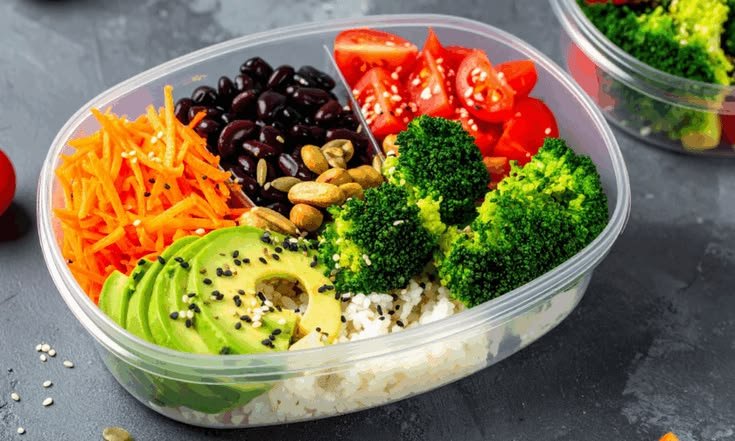
Protein + vegetables or fruit + whole grain or other carbohydrate + healthy fat
For example:
Breakfast: Eggs + whole-grain toast + fruit
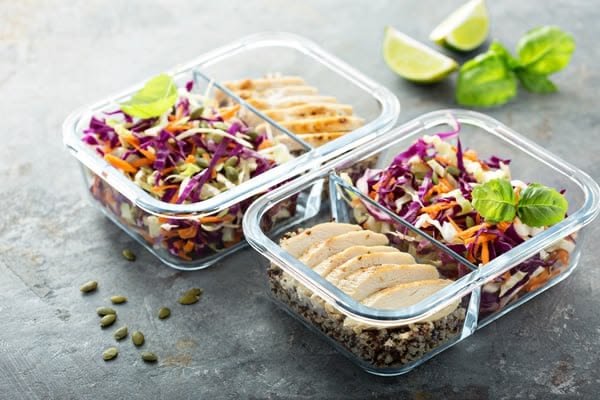
Lunch: Chicken + vegetables + brown rice
Dinner: Fish + roasted vegetables + potatoes
Snack: Greek yogurt + berries
This isn’t a strict rule. It’s simply an easy starting point for creating more balanced meals.
How to Start Without Feeling Overwhelmed
Trying to change everything at once can make healthy eating difficult to maintain.
Instead, choose two habits for your first week.
For example:
Week 1: Drink more water and add vegetables to dinner.
Week 2: Add protein to breakfast and prepare lunch at home.
Week 3: Replace some refined grains with whole grains.
Gradually building habits can make the process feel much more manageable.
Final Thoughts
Healthy eating doesn’t need to be complicated, expensive, or restrictive.
For beginners, focus on simple habits: eat more fruits and vegetables, include protein, choose whole grains more often, drink water, pay attention to portions, and plan meals when possible.
Most importantly, give yourself time to develop new habits. A sustainable approach is usually more useful than trying to make dramatic changes overnight.
If you have specific medical or dietary needs, consider speaking with a qualified healthcare professional or registered dietitian for personalized advice.
Frequently Asked Questions
What is the easiest healthy eating habit to start with?
Drinking more water and adding an extra serving of fruit or vegetables each day are simple places to begin.
Do I need to stop eating unhealthy foods?
No. A balanced eating pattern can include foods you enjoy. Focus on moderation and overall variety rather than labeling every food as completely good or bad.
What should beginners eat for breakfast?
Options such as eggs with whole-grain toast and fruit, oatmeal with berries and nuts, or Greek yogurt with fruit can provide a balanced start to the day.
How can I eat healthy on a budget?
Beans, lentils, oats, eggs, potatoes, frozen vegetables, seasonal produce, and whole grains can be budget-friendly choices.
How long does it take to develop healthy eating habits?
There is no fixed timeline. Start with small changes and repeat them consistently until they become a natural part of your routine.