Dinner is often the meal where people have the most flexibility to choose what they want to eat. But after a busy day, it can be difficult to figure out how to create a meal that is both satisfying and balanced.
The good news is that you don’t need complicated nutrition rules to build a better dinner. A simple approach is to include a variety of food groups, pay attention to portions, and choose foods you genuinely enjoy.
In this guide, we’ll explain how to build a balanced dinner plate with practical examples you can use at home.
What Is a Balanced Dinner Plate?
A balanced dinner plate typically includes a combination of vegetables or fruit, a protein source, carbohydrates, and a source of healthy fat.
You don’t need every food group at every meal, and there isn’t one perfect plate for everyone. Your nutritional needs can vary based on your age, activity level, body size, dietary preferences, and health goals.
Think of the plate method as a flexible starting point rather than a strict rule.
1. Fill Your Plate With Vegetables
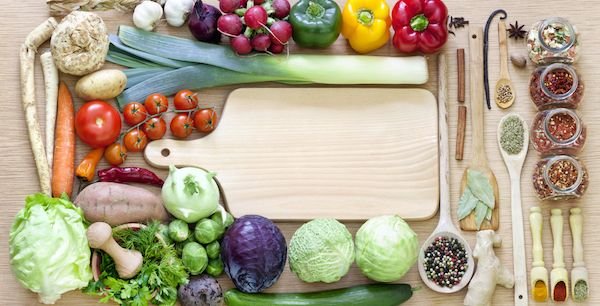
Vegetables are an easy way to add color, fiber, vitamins, and minerals to dinner.
Try including vegetables such as:
- Broccoli
- Carrots
- Green beans
- Spinach
- Bell peppers
- Tomatoes
- Zucchini
- Cauliflower
- Cabbage
- Mixed salad greens
You can roast, steam, grill, sauté, or eat many vegetables raw.
If you’re not used to eating many vegetables, start by adding one familiar vegetable you already enjoy.
2. Add a Protein Source
Protein is an important component of a balanced meal.
Animal-based options include:
- Chicken
- Turkey
- Fish
- Eggs
- Lean beef
- Seafood
Plant-based options include:
- Beans
- Lentils
- Chickpeas
- Tofu
- Tempeh
- Nuts and seeds
Choose protein sources that fit your dietary preferences and needs.
3. Include a Source of Carbohydrates
Carbohydrates are not something you automatically need to eliminate from dinner.
Foods such as potatoes, rice, whole-grain pasta, quinoa, and whole-grain bread can provide energy and make a meal more satisfying.
Some options include:
- Brown rice
- Quinoa
- Sweet potatoes
- Regular potatoes
- Whole-grain pasta
- Corn
- Whole-grain bread
- Beans
The best choice depends on your preferences and overall eating pattern.
4. Add Healthy Fats
Fat can add flavor and help make a meal more satisfying.
Examples include:
- Avocado
- Olive oil
- Nuts
- Seeds
- Nut butters
- Fatty fish
You don’t need large amounts. A modest serving can be enough depending on the meal.
5. Think About Color
A plate with several colors often contains a wider variety of foods.
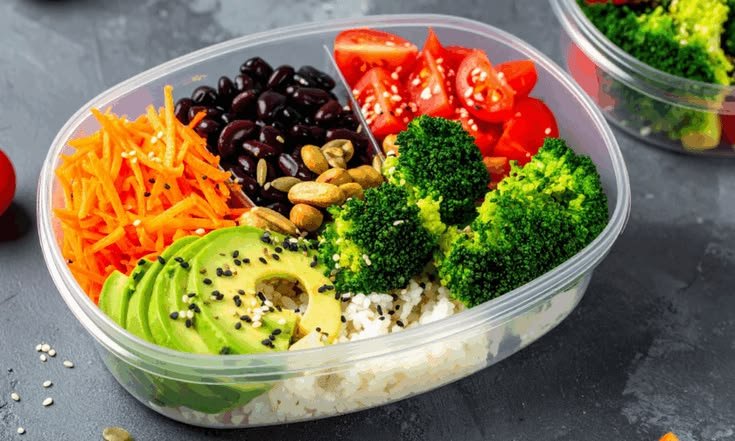
For example, you could combine green broccoli, orange carrots, brown rice, and grilled chicken.
Different fruits and vegetables provide different nutrients, so variety is useful.
6. Pay Attention to Portion Sizes
Even nutritious foods can be eaten in portions larger than you need.
Rather than worrying about exact measurements at every meal, start by serving a reasonable amount and paying attention to your hunger and fullness.
Your portion needs can vary significantly depending on your individual circumstances.
7. Don’t Forget Flavor
A balanced dinner should also taste good.
Use herbs and spices such as:
- Garlic
- Black pepper
- Paprika
- Cumin
- Oregano
- Basil
- Rosemary
- Chili powder
Lemon juice, vinegar, salsa, and other flavorful ingredients can also make simple foods more enjoyable.
Healthy eating doesn’t need to mean bland food.
Balanced Dinner Plate Examples
Grilled Chicken Dinner
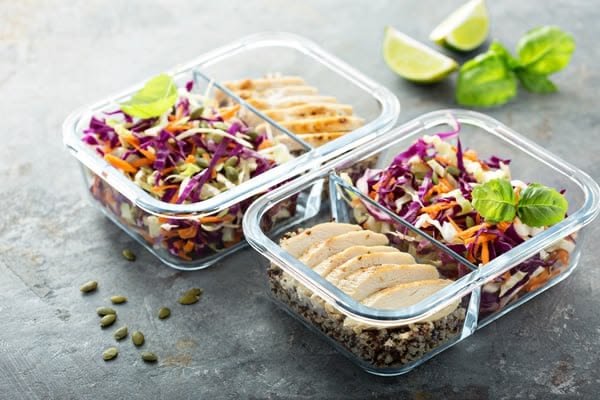
Try combining:
- Grilled chicken
- Roasted broccoli
- Brown rice
- Avocado
This provides a combination of protein, vegetables, carbohydrates, and fat.
Baked Fish Dinner
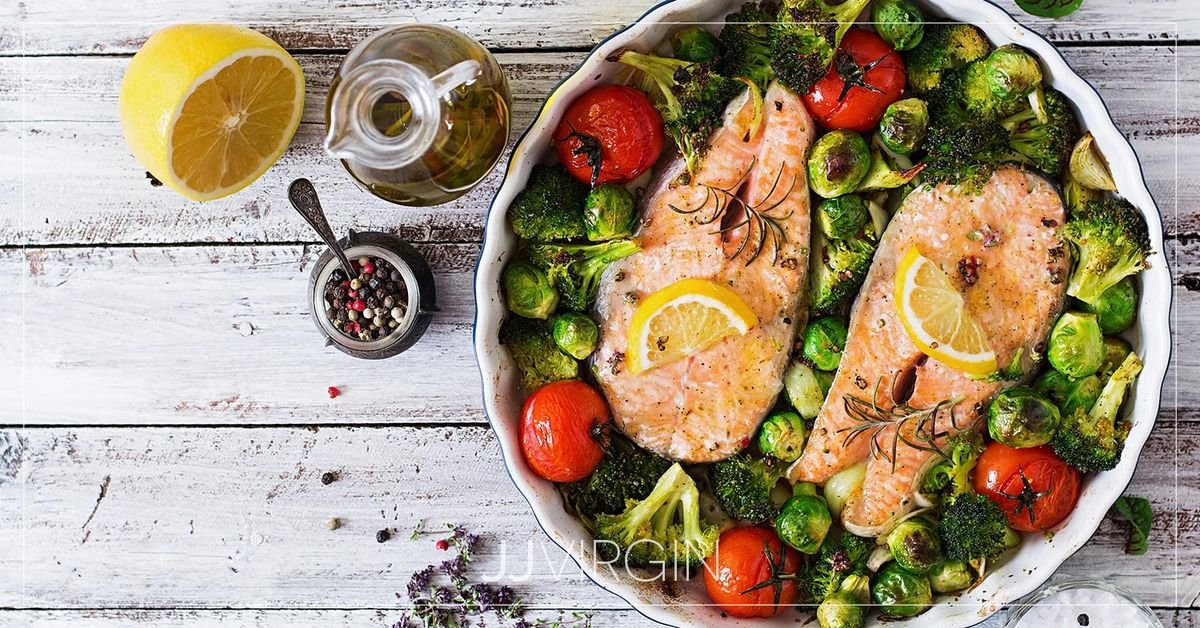
A simple fish dinner could include:
- Baked salmon
- Roasted sweet potato
- Green beans
- Mixed salad
You can season the fish with lemon, garlic, herbs, or spices.
Vegetarian Dinner
A vegetarian plate could include:
- Lentils
- Quinoa
- Roasted vegetables
- Avocado
This provides several plant-based foods in one meal.
Easy Weeknight Pasta
For a quick dinner, combine:
- Whole-grain pasta
- Chicken, beans, or another protein
- Tomato-based sauce
- Mixed vegetables
You can add herbs and spices for additional flavor.
Taco Dinner
Tacos can also fit into a varied meal.
Use chicken, fish, beans, or another protein and add lettuce, tomatoes, peppers, salsa, and avocado.
Serve with beans, vegetables, or another side depending on your preferences.
What About Dessert?
A balanced eating pattern can include foods you enjoy.
If you want dessert after dinner, options can include fruit, yogurt with berries, or a small serving of your favorite dessert.
You don’t need to label foods as completely “good” or “bad.”
The overall pattern of your eating habits matters more than one dessert.
How to Build a Balanced Dinner When You’re Busy
Healthy dinners don’t have to require hours of cooking.
Keep convenient ingredients available, such as:
- Frozen vegetables
- Canned beans
- Pre-washed salad greens
- Eggs
- Rotisserie chicken
- Microwaveable whole grains
- Canned or frozen fish
- Potatoes
These ingredients can help you put together a meal quickly.
For example, combine rotisserie chicken with frozen vegetables and a baked potato for a simple dinner.
Meal Prep Can Help
If your evenings are busy, prepare a few ingredients ahead of time.
Cook a batch of rice, roast vegetables, and prepare a protein source during the weekend.
You can then combine them into different meals throughout the week.
This can save time without requiring you to eat the exact same dinner every day.
Common Mistakes to Avoid
Making Dinner Too Complicated
You don’t need a complicated recipe to create a balanced meal.
Simple ingredients can work perfectly well.
Eliminating Entire Food Groups
Unless you’ve been advised otherwise by a qualified healthcare professional, there’s generally no need to automatically remove carbohydrates or fats from your meals.
Ignoring Portion Sizes
The ingredients matter, but so does how much you eat.
Pay attention to your hunger and fullness rather than automatically taking the largest available serving.
Focusing Only on Nutrition
Food should also be enjoyable.
If you don’t like what you’re eating, it may be difficult to maintain your routine.
Choose foods you genuinely enjoy and experiment with different flavors.
A Simple Dinner Formula
When you’re unsure what to make, remember:
Protein + Vegetables + Carbohydrate + Healthy Fat
For example:
Chicken + broccoli + potatoes + avocado
or:
Beans + mixed vegetables + brown rice + olive oil
You can change the ingredients based on your budget, preferences, and dietary needs.
Final Thoughts
Building a balanced dinner plate doesn’t require strict rules or complicated recipes.
Start with vegetables, add a protein source, include a carbohydrate you enjoy, and consider adding a healthy fat. Then adjust portions according to your individual needs.
The most important thing is consistency. One meal doesn’t have to be perfect. Aim for variety and balance across your overall eating pattern.
If you have a medical condition, food allergy, or specific nutritional requirement, speak with a qualified healthcare professional for advice tailored to you.
Frequently Asked Questions
What should be on a balanced dinner plate?
A balanced dinner can include vegetables, protein, carbohydrates, and a source of healthy fat.
Do I need to avoid rice or potatoes at dinner?
No. Rice and potatoes can be part of a balanced eating pattern. Portion size and the overall meal are important considerations.
What is a quick balanced dinner?
Grilled chicken with frozen vegetables and a baked potato is one simple example. Other combinations can be created using eggs, beans, fish, rice, vegetables, or whole-grain pasta.
Can a vegetarian dinner be balanced?
Yes. Beans, lentils, tofu, tempeh, eggs, dairy products, and other foods can provide protein in vegetarian meals.
Does every dinner need to be perfectly balanced?
No. Think about your overall eating pattern rather than trying to make every individual meal perfect.