Learning to cook can feel intimidating when you’re just getting started. There are ingredients to prepare, cooking times to understand, kitchen tools to learn, and countless recipes to choose from.
The good news is that you don’t need to be a professional chef to make delicious food. A few basic techniques can make cooking easier, faster, and more enjoyable.
Whether you’re cooking your first meal or simply want to become more confident in the kitchen, these 15 cooking tips for beginners can help you get started.
1. Read the Entire Recipe First
One of the most common beginner mistakes is starting to cook before reading the recipe completely.
Read the ingredients, instructions, cooking time, and preparation steps before turning on the stove.
This helps you understand what needs to happen and prevents surprises halfway through cooking.
2. Prepare Your Ingredients Before Cooking
Professional cooks often use a method called mise en place, which essentially means preparing ingredients before you begin cooking.
Wash and chop vegetables, measure spices, prepare sauces, and portion ingredients ahead of time.
Once cooking starts, everything will be ready to use.
3. Keep Your Knives Sharp
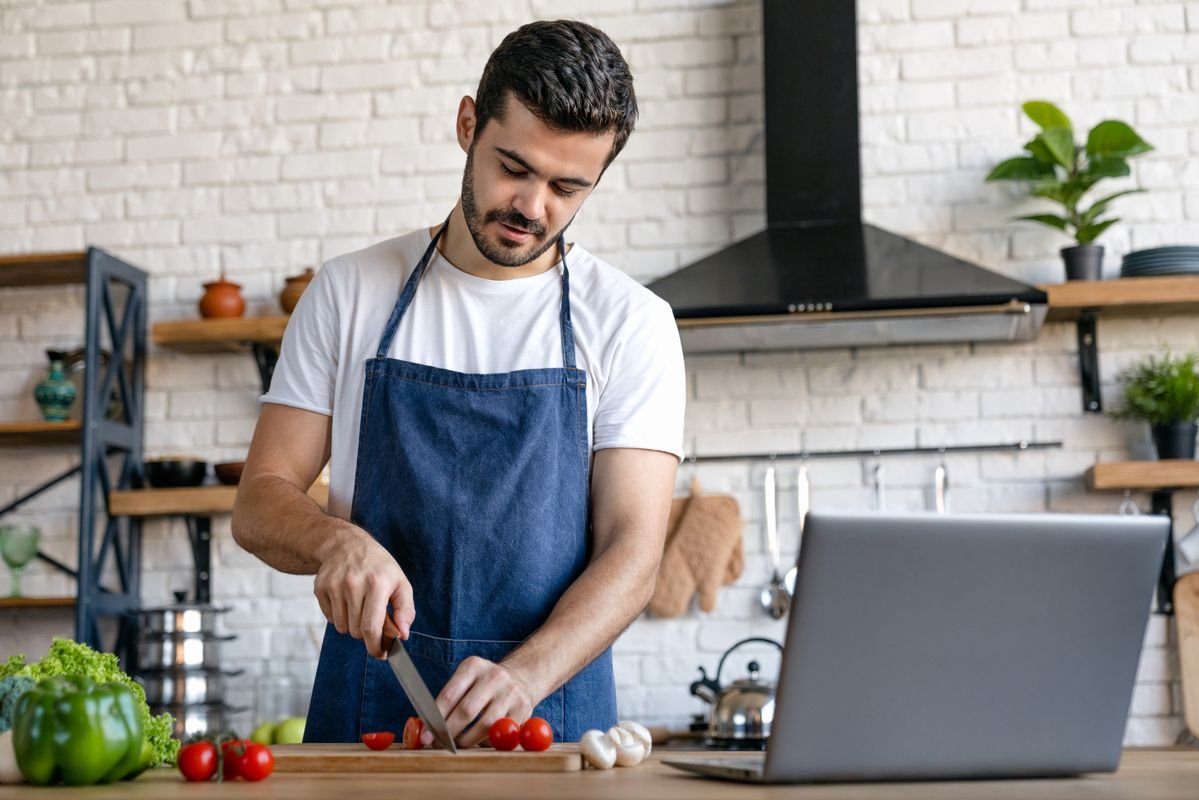
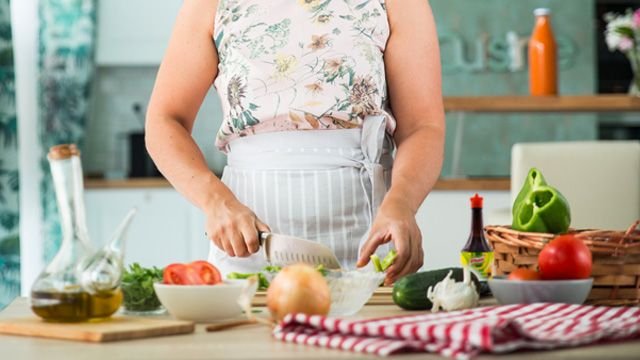
A sharp knife is generally easier to control than a dull one.
Learn basic knife skills and keep your kitchen knives properly maintained.
Start slowly when practicing. Speed comes with experience.
Always use a stable cutting board and keep your fingers positioned safely away from the blade.
4. Learn How to Control Heat
Understanding heat is one of the most important cooking skills.
High heat can be useful for searing and quickly browning foods, while medium or low heat may be better for simmering, sautéing, or gently cooking delicate ingredients.
If food is burning before it cooks through, the heat may be too high.
5. Don’t Overcrowd the Pan
Putting too much food into a pan at once can prevent proper browning.
Instead of placing a huge amount of food into a small pan, cook in batches when necessary.
This is especially useful when cooking meat or vegetables that you want to brown.
6. Taste Your Food as You Cook
When appropriate and safe, taste your food during the cooking process.
This allows you to determine whether it needs more seasoning, acidity, herbs, or other adjustments.
Don’t wait until the very end to discover that your dish needs more flavor.
7. Season Gradually
It’s easier to add seasoning than to remove it.
Add salt and other seasonings gradually, taste as you go, and adjust according to the recipe and your preferences.
Remember that ingredients such as cheese, broth, sauces, and canned foods may already contain sodium.
8. Don’t Rush the Browning Process
Browning can add a lot of flavor.
If you’re cooking meat or vegetables, give them enough time to develop a golden-brown surface rather than constantly moving them around the pan.
A hot pan and sufficient cooking time can help create better browning.
9. Use the Right-Sized Pan
The size of your pan matters.
A pan that’s too small can overcrowd your ingredients, while an unnecessarily large pan may make cooking less efficient.
Use cookware that gives your ingredients enough space while matching the amount of food you’re preparing.
10. Learn Basic Cooking Methods
You don’t need to memorize hundreds of recipes.
Instead, learn a few fundamental cooking methods:
- Sautéing
- Roasting
- Baking
- Grilling
- Boiling
- Simmering
- Steaming
- Braising
Once you understand these techniques, you’ll be able to adapt recipes and experiment more confidently.
11. Don’t Constantly Open the Oven
Every time you open the oven, heat escapes.
When baking or roasting, try to avoid opening the oven repeatedly to check your food.
Use the oven light and window when possible, and follow the recipe’s recommended cooking time.
12. Let Meat Rest After Cooking
When cooking meat, allowing it to rest before cutting can help retain juices.
The appropriate resting time depends on the type and size of the meat.
Always use a food thermometer when appropriate to verify that meat has reached a safe internal temperature.
13. Keep Your Kitchen Clean as You Go
Cooking becomes much easier when your workspace stays organized.
Instead of leaving every bowl and utensil on the counter, wash or put away items you no longer need.
Wipe surfaces and clean spills promptly.
A cleaner kitchen also makes the final cleanup much less overwhelming.
14. Learn From Your Mistakes
Not every meal will turn out perfectly.
You may overcook vegetables, add too much salt, burn something, or misread a recipe.
Instead of getting discouraged, think about what happened and how you can change the process next time.
Every mistake can teach you something useful.
15. Start With Simple Recipes
You don’t need to begin with complicated dishes.
Start with recipes that teach basic skills, such as:
- Scrambled eggs
- Roasted vegetables
- Pasta
- Rice
- Simple soups
- Grilled chicken
- Stir-fried vegetables
- Basic sandwiches
As your confidence grows, gradually try more complicated recipes.
Essential Kitchen Tools for Beginners
You don’t need a kitchen full of expensive equipment.
A few basic tools can cover most everyday cooking:
- Chef’s knife
- Cutting board
- Large skillet
- Saucepan
- Baking sheet
- Measuring cups
- Measuring spoons
- Mixing bowls
- Wooden or silicone spatula
- Food thermometer
Quality matters, but you don’t need the most expensive equipment to cook good food.
How to Become a Better Cook
The best way to improve is to practice.
Choose a few recipes you enjoy and make them repeatedly. Each time you cook them, pay attention to what changes.
You may notice that vegetables taste better when roasted longer, meat cooks differently at different temperatures, or a particular spice combination works especially well.
Over time, you’ll begin to understand ingredients rather than simply following instructions.
Food Safety Basics for Beginners
Cooking skills should always include food safety.
Wash your hands before handling food and keep raw meat separate from foods that are ready to eat.
Use separate cutting boards when appropriate, clean kitchen surfaces regularly, and refrigerate perishable foods promptly.
A food thermometer is one of the most useful tools for checking whether meat has reached a safe internal temperature.
When you’re unsure about food safety, follow guidance from reliable food-safety authorities.
Final Thoughts
Cooking becomes much easier when you understand a few basic principles.
Read recipes carefully, prepare ingredients ahead of time, control your cooking temperature, season gradually, keep your kitchen organized, and don’t be afraid of mistakes.
Most importantly, practice regularly.
You don’t need to become a professional chef. The goal is simply to become comfortable enough in the kitchen to prepare meals you enjoy.
Start with simple recipes, learn from every cooking experience, and gradually build your skills.
Frequently Asked Questions
What should a beginner learn first in cooking?
Start with basic knife skills, heat control, seasoning, food safety, and simple cooking methods such as sautéing, roasting, baking, and boiling.
What are easy meals for beginner cooks?
Pasta, scrambled eggs, roasted vegetables, simple soups, rice dishes, sandwiches, and basic chicken recipes are good places to practice.
Do I need expensive kitchen equipment?
No. A few quality basics, including a good knife, cutting board, skillet, saucepan, baking sheet, and food thermometer, can handle many everyday recipes.
How can I make my food taste better?
Season gradually, taste your food while cooking when safe, use fresh herbs and spices, and learn how different cooking methods affect flavor and texture.
Why does my food keep burning?
The heat may be too high, the pan may be unsuitable for the amount of food, or the food may need more frequent attention. Start with moderate heat and adjust as you learn how your cookware behaves.