There’s something special about restaurant food. A perfectly browned chicken breast, crispy potatoes, creamy pasta, or flavorful sauce can make a simple meal feel extraordinary.
But you don’t need a professional kitchen to create impressive dishes at home. With the right techniques, ingredients, and a little practice, you can make homemade meals that look and taste much closer to restaurant-style food.
Here are practical tips for making restaurant-style food at home.
1. Start With Quality Ingredients
Great cooking starts with good ingredients.
Fresh vegetables, quality meat, fresh herbs, good spices, and flavorful sauces can make a noticeable difference.
This doesn’t mean you need to buy the most expensive products. Focus on freshness and ingredients that work well with the recipe.
For example, fresh garlic and herbs can add significantly more flavor than relying entirely on pre-made seasonings.
2. Season Your Food Properly
One of the biggest differences between home cooking and restaurant food is often seasoning.
Restaurants typically build flavor throughout the cooking process rather than adding everything at the end.
Season different components as you cook, while being careful not to over-season.
Salt, black pepper, garlic, herbs, spices, citrus, and vinegar can all play important roles in balancing flavor.
3. Don’t Be Afraid of High Heat
High heat can help create the browning that makes restaurant food so appealing.
When appropriate, use a properly preheated pan for searing meat or vegetables.
However, high heat isn’t suitable for every ingredient. Delicate foods can burn quickly, so learn when to use high, medium, or low heat.
4. Learn How to Sear
A good sear creates a flavorful, browned surface.
For meat, pat the surface dry before cooking. Preheat your pan and give the food enough space.
Avoid constantly moving the food around. Let it remain in contact with the hot surface long enough to develop color.
The exact cooking time depends on the ingredient and its thickness.
5. Don’t Overcrowd Your Pan
Crowding a pan can cause ingredients to release moisture instead of browning properly.
If you’re cooking a large quantity, work in batches.
This extra step can make a significant difference when you’re trying to achieve restaurant-quality browning.
6. Build Flavor With Aromatics
Aromatics are ingredients that create a flavorful foundation.
Common examples include:
- Garlic
- Onions
- Shallots
- Ginger
- Celery
- Fresh herbs
Cooking these ingredients at the right stage can give sauces, soups, meats, and vegetables more depth.
7. Make Your Own Sauce
A great sauce can transform an ordinary meal.
You don’t need complicated recipes. Simple sauces can be made with ingredients such as:
- Butter
- Olive oil
- Garlic
- Lemon
- Herbs
- Tomatoes
- Broth
- Yogurt
- Mustard
- Vinegar
Experiment with different combinations to find flavors you enjoy.
8. Learn to Balance Flavors
Restaurant dishes often taste good because different flavors work together.
Think about five basic elements:
Sweet + salty + sour + bitter + umami
You don’t need all five in every dish.
If a dish tastes flat, it may need a little acid such as lemon juice or vinegar. If it’s too sour, a small amount of sweetness may help balance it.
Taste as you cook and adjust gradually.
9. Use Fresh Herbs
Fresh herbs can make a homemade dish look and taste more polished.
Parsley, cilantro, basil, rosemary, thyme, and chives can add fresh flavor and color.
Use some herbs during cooking and save a little for finishing the dish.
10. Finish With Something Special
Professional cooks often finish dishes with a final touch.
Depending on the meal, this could be:
- Fresh herbs
- Lemon zest
- A drizzle of olive oil
- Freshly ground pepper
- Grated cheese
- A small amount of sauce
A finishing ingredient can make a simple dish feel more complete.
11. Don’t Overcook Your Food
Overcooking can ruin even expensive ingredients.
Vegetables can become soft and dull, while meat can become dry.
Learn the appropriate cooking method and use a food thermometer when appropriate for meat.
Remember that some foods continue cooking after being removed from heat.
12. Make Restaurant-Style Pasta
Pasta is one of the easiest dishes to upgrade.
Cook pasta according to the package directions and reserve some of the cooking water before draining.
A small amount of pasta water can help emulsify sauces and create a smoother texture.
Finish the pasta in the sauce rather than simply pouring sauce over cooked pasta.
Add fresh herbs, grated cheese, or another finishing ingredient before serving.
13. Make Better Roasted Vegetables
Roasting can bring out natural sweetness and create appealing browned edges.
Cut vegetables into relatively similar sizes so they cook more evenly.
Avoid overcrowding the baking sheet and use enough oil to coat the vegetables without soaking them.
Roast at an appropriate temperature until they’re tender and browned.
14. Plate Your Food Carefully
Presentation can make homemade food feel more like a restaurant meal.
Instead of piling everything randomly onto a plate, consider:
- Where the main protein sits
- How the vegetables are arranged
- The color of the dish
- Where the sauce is placed
- How much food is on the plate
You don’t need complicated decoration. Clean, simple presentation can be enough.
15. Warm Your Plates
If appropriate for the dish, serving food on a warm plate can help keep it hot longer.
You can warm plates carefully using an oven-safe method suitable for your dishes.
Never use plates or cookware in an oven or microwave unless they’re specifically designed for that purpose.
Restaurant-Style Cooking at Home on a Budget
You don’t need expensive ingredients to make impressive food.
A simple chicken dish can become special with good seasoning, proper browning, a homemade sauce, and fresh herbs.
Likewise, inexpensive vegetables can taste excellent when roasted properly.
Focus on technique before spending more money on ingredients.
Common Mistakes That Prevent Restaurant-Quality Results
Not Preheating the Pan
A cold pan can make it difficult to achieve proper browning.
Overcrowding
Too many ingredients can cause steaming instead of browning.
Underseasoning
Adding too little seasoning can make food taste flat.
Overcooking
Even a great recipe won’t taste good if the ingredients are cooked too long.
Skipping the Finishing Touch
Fresh herbs, citrus, cheese, or a simple sauce can add the final layer of flavor.
A Simple Restaurant-Style Dinner
You can create an impressive meal without complicated techniques.
Try:
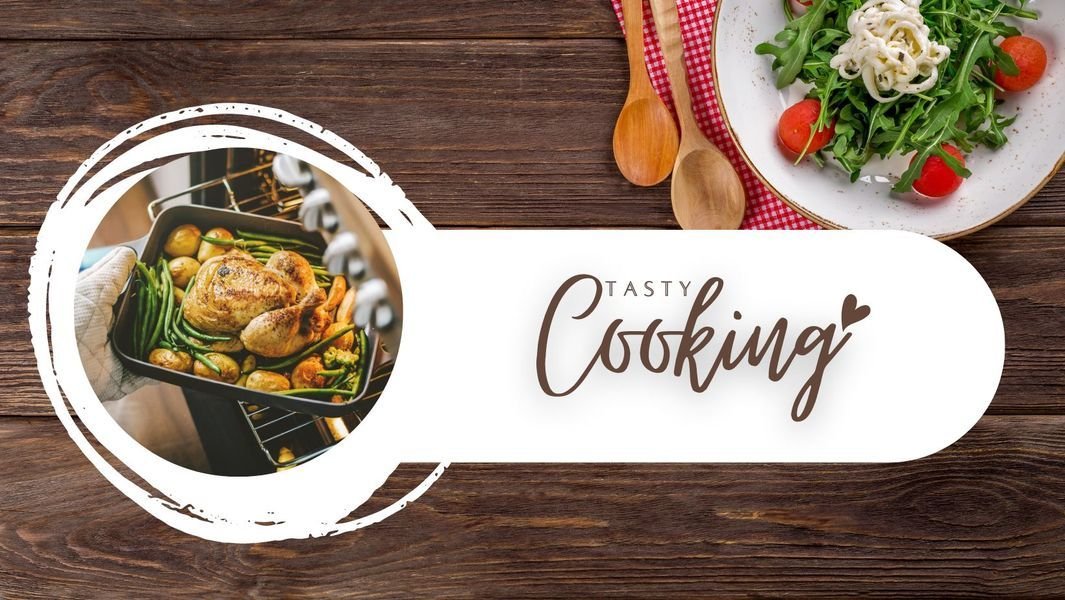
Main: Pan-seared chicken
Side: Roasted potatoes
Vegetable: Green beans
Sauce: Lemon-garlic pan sauce
Finish: Fresh parsley and lemon
The ingredients are simple, but proper cooking technique can make the meal feel special.
Final Thoughts
Making restaurant-style food at home is less about expensive ingredients and more about technique.
Learn how to season properly, control heat, create good browning, build sauces, balance flavors, and present your food neatly.
Start with dishes you already enjoy and practice one technique at a time.
With experience, you’ll become more confident and discover that many restaurant-quality meals are surprisingly achievable in your own kitchen.
Frequently Asked Questions
What makes homemade food taste like restaurant food?
Proper seasoning, browning, heat control, quality ingredients, flavorful sauces, and finishing touches can make a major difference.
How can I make restaurant-style chicken at home?
Pat the chicken dry, season it well, use a properly preheated pan, avoid overcrowding, and cook it to a safe internal temperature.
Why doesn’t my food brown properly?
The pan may not be hot enough, the ingredients may be too wet, or the pan may be overcrowded.
How can I make homemade pasta taste better?
Season the cooking water appropriately, reserve some pasta water, finish the pasta in its sauce, and add fresh herbs or cheese when appropriate.
Do I need expensive ingredients?
No. Good technique can make simple and affordable ingredients taste excellent.