Preparing meals every day can feel like a lot of work, especially when you have a busy schedule. Between choosing recipes, shopping for ingredients, chopping vegetables, cooking, and cleaning up, even a simple dinner can take more time than expected.
The good news is that meal preparation doesn’t have to take hours. With a few smart strategies, you can make cooking faster while still preparing meals you enjoy.
Here are practical ways to save time when preparing meals.
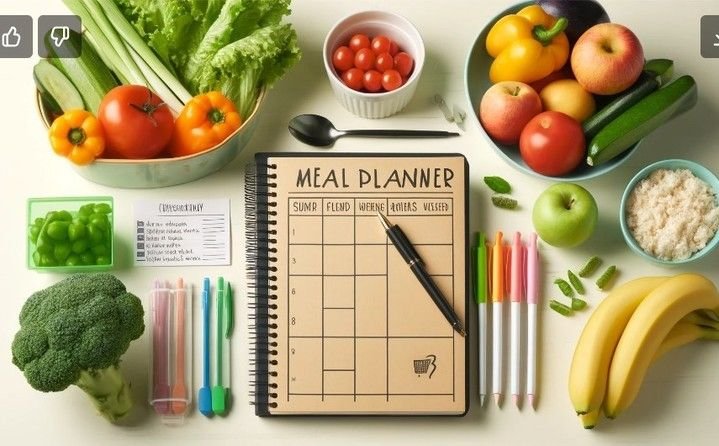
1. Plan Your Meals Before You Start
One of the easiest ways to save time is to decide what you’re going to cook before you’re hungry.
Spend a few minutes planning your meals for the next several days.
You don’t need a complicated meal plan. Simply decide:
- What you’ll have for breakfast
- What you’ll take for lunch
- What you’ll make for dinner
- Which snacks you’ll need
Having a plan reduces the time spent wondering what to cook.
2. Make a Grocery List
Once you know what you’re cooking, create a grocery list.
Organize the list by sections such as:
- Produce
- Meat and seafood
- Dairy
- Grains
- Pantry items
- Frozen foods
A focused shopping list can help you avoid unnecessary trips to the store and make grocery shopping more efficient.
3. Cook Ingredients in Batches
You don’t always need to cook an entire meal in advance.
Instead, prepare individual ingredients in larger quantities.
For example, you could cook:
- Several servings of chicken
- A batch of rice
- Roasted vegetables
- Hard-boiled eggs
- Beans or lentils
You can combine these ingredients in different ways throughout the week.
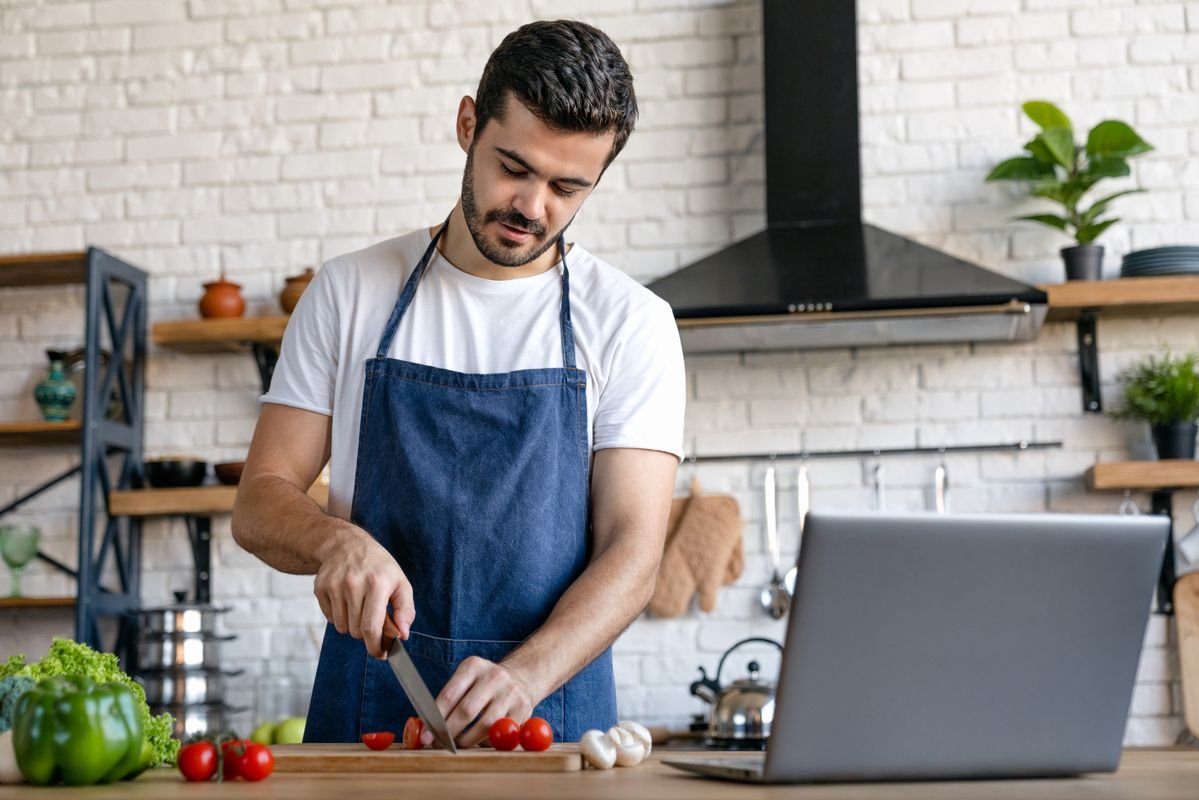
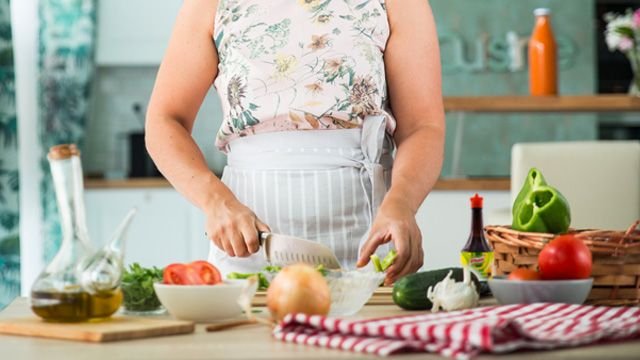
4. Chop Vegetables in Advance
Washing and chopping vegetables can take more time than expected.
Prepare vegetables ahead of time and store them properly.
You can chop items such as:
- Carrots
- Bell peppers
- Onions
- Broccoli
- Cucumbers
- Celery
Having them ready can make cooking much faster.
5. Use Frozen Vegetables
Frozen vegetables can be extremely convenient.
They’re already washed and prepared, and many can go directly into soups, stir-fries, pasta dishes, or other meals.
Keep a few varieties in your freezer for days when you don’t have time to prepare fresh vegetables.
6. Use Simple Recipes on Busy Days
Not every dinner needs to be a complicated recipe.
On busy nights, choose meals that require fewer ingredients and cooking steps.
For example:
Grilled chicken + frozen vegetables + rice
or:
Eggs + whole-grain toast + fruit
Simple meals can still be satisfying and flavorful.
7. Use One-Pan Meals
One-pan and one-pot meals can save both cooking and cleaning time.
Try recipes such as:
- Sheet-pan chicken and vegetables
- One-pot pasta
- Stir-fry
- Vegetable soup
- Rice and chicken bowls
Fewer dishes usually mean less cleanup afterward.
8. Keep Your Kitchen Organized
An organized kitchen makes cooking more efficient.
Keep frequently used items easy to reach.
Store spices together, keep cooking utensils organized, and make sure your most-used pots and pans are accessible.
You shouldn’t have to search through several cabinets every time you cook.
9. Clean as You Cook
Don’t leave every dirty bowl, spoon, and cutting board until the end.
While food is cooking, wash items you no longer need.
Wipe the counter and put ingredients away as you go.
By the time dinner is ready, much of the cleanup may already be finished.
10. Prepare Breakfast the Night Before
Mornings can be particularly hectic.
Preparing breakfast in advance can give you extra time.
Some options include:
- Overnight oats
- Hard-boiled eggs
- Yogurt with fruit
- Pre-portioned smoothie ingredients
- Breakfast sandwiches
Store prepared foods appropriately and follow food-safety recommendations.
11. Prepare Lunch While Making Dinner
Dinner preparation can also help with tomorrow’s lunch.
If you’re cooking chicken and rice for dinner, prepare an extra portion and pack it for the next day.
This simple habit can save you from preparing a completely separate lunch.
12. Use Leftovers Creatively
Leftovers don’t have to mean eating exactly the same meal again.
For example, leftover grilled chicken can become:
- A sandwich
- A wrap
- A salad
- A rice bowl
- Tacos
Using leftovers in different ways can save both time and money.
13. Keep Pantry Staples Available
A well-stocked pantry can make last-minute meals much easier.
Useful staples may include:
- Rice
- Pasta
- Oats
- Canned beans
- Canned tomatoes
- Tuna
- Whole-grain products
- Spices
- Olive oil
- Broth
You don’t need to buy everything at once. Build your pantry gradually based on the meals you actually cook.
14. Use a Slow Cooker or Pressure Cooker
Kitchen appliances can simplify meal preparation.
A slow cooker can allow ingredients to cook over several hours with relatively little hands-on work.
A pressure cooker can help prepare certain foods more quickly.
Always follow the manufacturer’s instructions and appropriate food-safety practices.
15. Make a Double Batch
If you’re already preparing a meal, consider making twice as much when practical.
You can eat one portion immediately and refrigerate or freeze the rest for another day.
This can turn one cooking session into multiple meals.
16. Freeze Meals and Ingredients
Your freezer can become one of your best meal-preparation tools.
Depending on the food, you can freeze:
- Soups
- Cooked beans
- Sauces
- Some cooked meats
- Bread
- Prepared meals
Use appropriate containers, label foods with dates, and follow reliable food-safety recommendations for freezing and thawing.
17. Choose Ingredients That Can Be Used Multiple Ways
When shopping, think about how many meals an ingredient can contribute to.
For example, a package of chicken can be used for:
- Sandwiches
- Salads
- Rice bowls
- Wraps
- Pasta
Buying versatile ingredients reduces waste and simplifies meal planning.
18. Create a Basic Meal Formula
You don’t need a new recipe every night.
Create a simple formula:
Protein + vegetable + carbohydrate + sauce or seasoning
For example:
Chicken + broccoli + rice + garlic sauce
The next day, change the ingredients:
Beans + peppers + potatoes + salsa
This gives you variety without requiring extensive recipe research.
A Simple Weekly Meal-Prep Strategy
If you’re new to meal preparation, start small.
Step 1: Choose 2–3 proteins
For example:
- Chicken
- Eggs
- Beans
Step 2: Choose 2–3 carbohydrates
For example:
- Rice
- Potatoes
- Whole-grain bread
Step 3: Choose several vegetables
Use a mixture of fresh and frozen options.
Step 4: Prepare ingredients together
Cook your proteins, grains, and vegetables in batches.
Step 5: Store portions properly
Use suitable containers and refrigerate or freeze food according to food-safety guidelines.
Step 6: Mix and match
Create different meals throughout the week using the ingredients you’ve prepared.
Don’t Try to Meal Prep Everything
Meal preparation should make your life easier—not become another stressful responsibility.
You don’t need to prepare seven complete meals every Sunday.
Even preparing two proteins, one grain, and some vegetables can save significant time during the week.
Start with whatever amount feels manageable.
Final Thoughts
Saving time in the kitchen is mostly about reducing the number of decisions and repetitive tasks you have to make.
Plan meals, prepare ingredients in advance, cook in batches, use convenient ingredients when needed, make extra portions, and keep your kitchen organized.
You don’t need to spend your entire weekend meal prepping.
Even 30–60 minutes of preparation can make busy weekdays much easier.
The goal isn’t to cook everything in advance. It’s to make your future meals faster, simpler, and less stressful.
Frequently Asked Questions
What is the fastest way to prepare meals?
Planning ahead and preparing ingredients in batches can save significant time. Simple one-pan and one-pot meals are also convenient.
How many meals should I prepare in advance?
There is no required number. Start with two or three meals and increase your preparation if it works well for your schedule.
Can I prepare vegetables ahead of time?
Yes. Many vegetables can be washed and cut in advance. Store them properly in the refrigerator to maintain quality and safety.
Is meal prepping cheaper?
It can be. Planning meals and using leftovers can reduce food waste and make it easier to avoid purchasing restaurant meals frequently.
How can I save time without meal prepping?
Keep simple ingredients available, use frozen vegetables, choose quick recipes, cook one-pan meals, and prepare extra portions whenever practical.